Bridge vs Single Tooth Implant Long-Term Comparison

Losing a single tooth may seem like a small dental issue, but if left untreated, it can affect your bite, appearance, jawbone health, and overall oral function. When it comes to replacing one missing tooth, two popular options are a single tooth dental implant and a dental bridge.

While both restore function and aesthetics, their long-term impact on oral health differs significantly. This detailed comparison will help you understand which option is better for you in the long run.

Understanding the Two Options

What Is a Single Tooth Implant?

A single tooth implant involves placing a titanium post into the jawbone to act as an artificial tooth root. Once the implant integrates with the bone, a crown is placed on top to replicate a natural tooth.

This solution is independent, meaning it does not rely on neighboring teeth for support.

What Is a Dental Bridge?

A dental bridge replaces a missing tooth by anchoring an artificial tooth to the adjacent natural teeth. These neighboring teeth are reshaped and crowned to support the bridge.

While bridges offer quicker restoration, they rely heavily on surrounding teeth.

Long-Term Comparison: Implant vs Bridge

1. Longevity and Durability

A single tooth implant is designed to last decades and often a lifetime with proper care. The implant fuses with the jawbone, making it extremely stable.

A dental bridge typically lasts 7 to 12 years. Over time, the supporting teeth may weaken or develop decay, requiring replacement of the bridge.

Long-term winner: Single tooth implant

2. Impact on Jawbone Health

Dental implants stimulate the jawbone, preventing bone loss in the area of the missing tooth. This preserves facial structure and prevents a sunken appearance.

Dental bridges do not stimulate the jawbone. Bone loss continues under the missing tooth area, which may affect facial aesthetics over time.

Long-term winner: Single tooth implant

3. Effect on Adjacent Teeth

A dental bridge requires grinding down healthy adjacent teeth to place crowns. This permanently alters those teeth and increases their risk of decay or root canal treatment later.

A single tooth implant does not affect neighboring teeth at all. Each tooth remains independent.

Long-term winner: Single tooth implant

4. Oral Hygiene and Maintenance

Implants are maintained just like natural teeth through brushing, flossing, and regular dental checkups.

Bridges require extra cleaning tools like floss threaders or water flossers to clean underneath the artificial tooth. Poor cleaning can lead to gum disease and decay.

Long-term winner: Single tooth implant

5. Comfort and Function

A dental implant feels and functions like a natural tooth. It offers excellent chewing efficiency and bite stability.

A dental bridge may feel slightly different due to reliance on adjacent teeth. Over time, bridges can loosen or feel uncomfortable if supporting teeth weaken.

Long-term winner: Single tooth implant

6. Aesthetics Over Time

Implants maintain gum and bone levels, ensuring consistent aesthetics for years.

Bridges may show gum recession or shadowing near the artificial tooth as bone loss progresses underneath.

Long-term winner: Single tooth implant

7. Treatment Time

Dental bridges are faster and can often be completed within a few weeks.

Dental implants take longer because they require healing time for the implant to integrate with the bone. This can take several months.

Short-term convenience winner: Dental bridge
Long-term value winner: Single tooth implant

8. Cost Comparison Over Time

Dental bridges usually have a lower upfront cost, making them attractive initially.

Dental implants have a higher initial cost, but they require fewer replacements and less long-term maintenance. Over time, implants often become more cost-effective.

Long-term financial winner: Single tooth implant

Who Is a Better Candidate for a Bridge?

A dental bridge may be suitable if:

  • You want a quicker solution
  • You have medical conditions affecting bone healing
  • You are not currently eligible for implant surgery
  • Adjacent teeth already need crowns

Who Should Choose a Single Tooth Implant?

A dental implant is ideal if:

  • You want a permanent solution
  • You have healthy gums and sufficient bone
  • You want to preserve adjacent teeth
  • You are focused on long-term oral health

Modern implant dentistry also offers bone grafting and advanced planning, making implants possible for more patients than ever before.

Why Dentists Prefer Implants for Long-Term Results

From a long-term oral health perspective, most dentists prefer single tooth implants because they:

  • Preserve jawbone health
  • Maintain natural tooth structure
  • Reduce future dental complications
  • Offer superior comfort and aesthetics

While bridges still have their place, implants are increasingly considered the gold standard for replacing a single missing tooth.

Final Verdict: Which Is Better in the Long Run?

If you are looking at long-term durability, oral health, and cost-effectiveness, a single tooth dental implant is generally the better option.

Dental bridges can be a good short-term or situational solution, but they come with limitations that may lead to additional dental treatments later.

The right choice depends on your oral health, budget, and personal goals. A professional dental evaluation is essential to determine the best solution for your smile.

Book a Consultation

If you are unsure whether a dental implant or bridge is right for you, consult an experienced dental professional for a personalized treatment plan. Early intervention ensures better outcomes and long-lasting results.

Does a Root Canal Kill the Tooth? The Truth Explained

One of the most common fears patients have before dental treatment is the belief that a root canal “kills” the tooth. This myth often causes people to delay treatment, leading to severe pain, infection, or even tooth loss. The truth is very different from what many people think.

A root canal does not kill your tooth. In fact, it is a procedure designed to save your natural tooth and relieve pain while restoring normal function. Let’s break down what actually happens during a root canal and why this treatment is often the best option for long-term oral health.

What Does “Killing the Tooth” Really Mean?

Teeth are made up of several layers. The outer enamel and dentin protect the inner pulp, which contains nerves, blood vessels, and connective tissue. When people say a tooth is “dead,” they usually mean the pulp inside the tooth is no longer alive.

However, a tooth does not rely on its pulp to stay functional once it has fully developed. The surrounding gums, ligaments, and jawbone continue to support and nourish the tooth. This means a tooth can remain healthy, strong, and fully functional even after pulp removal.

Why Is a Root Canal Needed?

A root canal is required when the pulp inside the tooth becomes infected or inflamed due to:

  • Deep cavities
  • Cracks or fractures
  • Repeated dental procedures on the same tooth
  • Trauma or injury

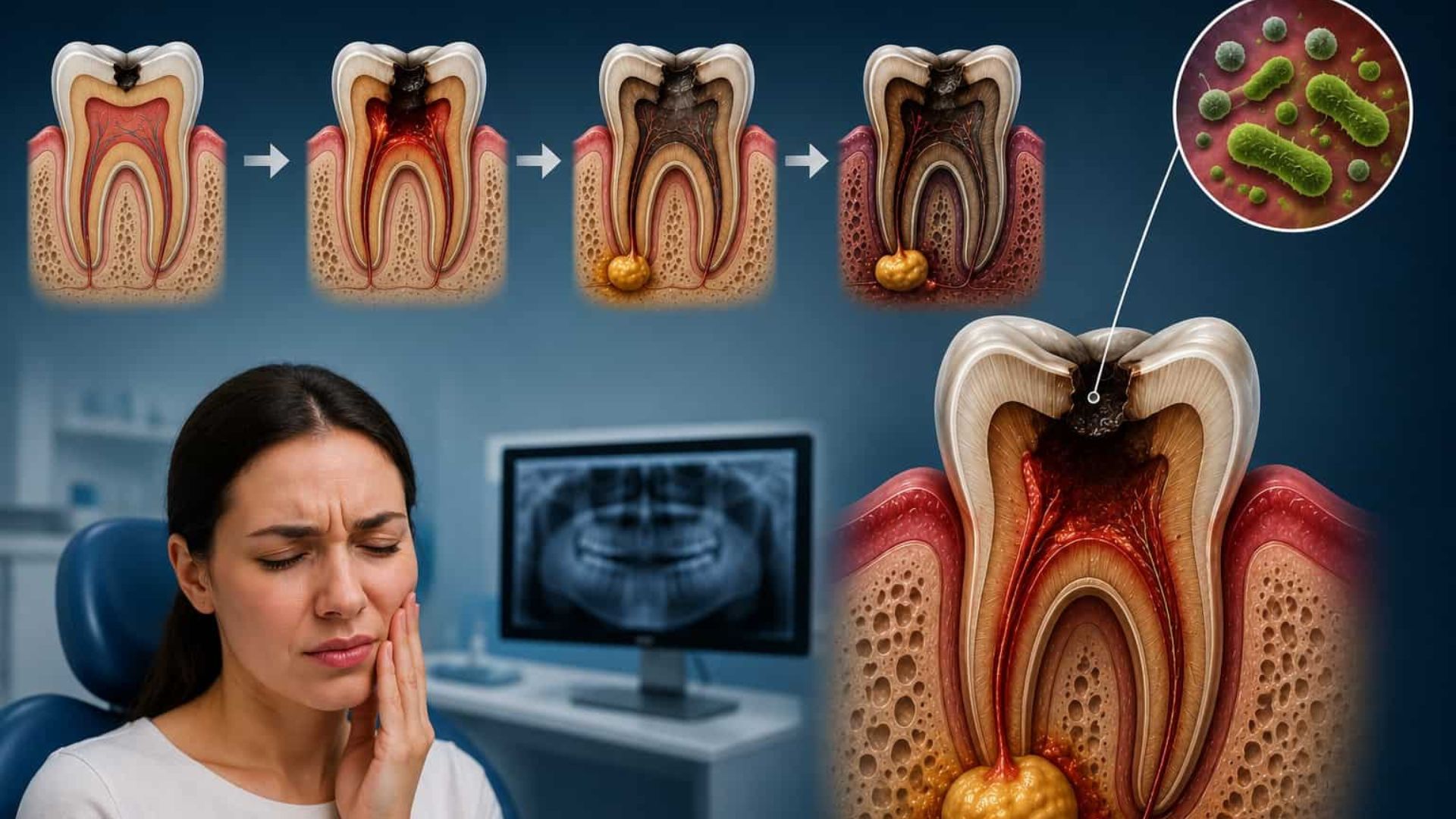
When pulp tissue is infected, it cannot heal on its own. If left untreated, the infection can spread to the jawbone, cause abscess formation, and eventually lead to tooth loss.

A root canal removes the infected pulp, cleans the inner canals, and seals the tooth to prevent future infection.

What Actually Happens During a Root Canal?

During root canal treatment, the dentist:

  1. Removes the infected or inflamed pulp tissue
  2. Cleans and disinfects the root canals
  3. Shapes the canals for proper sealing
  4. Fills the canals with a biocompatible material
  5. Restores the tooth with a filling or crown

Once this process is complete, the tooth is free of infection and pain. It continues to function like a natural tooth for chewing and biting.

Does the Tooth Become Weak After a Root Canal?

This is another common misconception. A tooth does not become weak because the nerve is removed. What actually weakens a tooth is the loss of natural structure due to decay or cracks, which is why dentists often recommend placing a crown after root canal treatment.

A crown protects the tooth from fracture, restores its strength, and allows it to function normally for many years. With proper restoration and care, a root canal treated tooth can last a lifetime.

Is a Root Canal Better Than Tooth Extraction?

In most cases, yes. Preserving your natural tooth is almost always better than removing it.

Here’s why saving the tooth matters:

  • Maintains natural chewing efficiency
  • Prevents shifting of nearby teeth
  • Preserves jawbone health
  • Avoids the need for replacements like implants or bridges

Extraction may seem like a quicker solution, but replacing a missing tooth often involves more time, cost, and maintenance in the long run.

Will the Tooth Still Feel Anything After a Root Canal?

After a root canal, the tooth will no longer feel temperature sensations like hot or cold. However, you can still feel pressure while chewing because the surrounding ligaments and tissues are still active.

This means the tooth remains part of your natural bite and continues to function normally.

Is Root Canal Treatment Painful?

Modern root canal treatment is designed to relieve pain, not cause it. Advances in anesthesia and technology make the procedure comfortable for most patients.

Any discomfort after treatment is usually mild and temporary, often related to tissue healing rather than the procedure itself. Most patients return to normal activities within a day.

Common Myths About Root Canal Treatment

Myth 1: A Root Canal Kills the Tooth

Truth: It removes infection and saves the tooth structure.

Myth 2: Extraction Is Better Than a Root Canal

Truth: Saving your natural tooth is usually healthier and more cost-effective.

Myth 3: Root Canal Treated Teeth Don’t Last

Truth: With proper care and a crown, they can last for decades.

Myth 4: Root Canals Are Extremely Painful

Truth: Modern techniques make them similar to routine fillings.

How to Care for a Root Canal Treated Tooth

After treatment, maintaining good oral hygiene is key:

  • Brush twice daily with fluoride toothpaste
  • Floss regularly
  • Avoid chewing hard objects like ice
  • Visit your dentist for regular checkups
  • Get a crown placed if recommended

These steps help ensure the longevity of the treated tooth.

When Might a Tooth Still Need Removal?

While root canal treatment is highly successful, extraction may be necessary if:

  • The tooth is severely cracked below the gum line
  • There is insufficient tooth structure left
  • Infection has caused extensive bone damage

In such cases, your dentist will discuss appropriate replacement options to restore function and aesthetics.

Final Verdict: Does a Root Canal Kill the Tooth?

No. A root canal does not kill your tooth. It removes infection, eliminates pain, and preserves the natural tooth structure so you can continue using it normally.

Delaying or avoiding treatment due to myths often leads to worse outcomes. If you’re experiencing persistent tooth pain or sensitivity, early evaluation and treatment can make all the difference.

Wisdom Teeth Removal When Is the Right Time

Wisdom teeth, also known as third molars, usually appear between the ages of 17 and 25. While some people experience no issues, many face pain, swelling, infection, or misalignment due to lack of space in the jaw. Knowing when to remove your wisdom teeth can prevent long-term complications and protect your overall oral health.

At AK Dental Clinic, recognized among the best dentists in Vile Parle and Juhu, we help patients identify the right time for removal using advanced diagnostics and experienced surgical expertise. Here’s everything you need to know.

What Are Wisdom Teeth and Why Do They Cause Problems?

Wisdom teeth are the last set of molars that develop. Unlike other teeth, they often don’t have enough room to emerge properly, causing:

  • Impaction (trapped beneath the gums or bone)
  • Misalignment
  • Pressure on neighboring teeth
  • Gum infections
  • Cysts around the tooth
  • Decay due to difficult cleaning

Because of these complications, timely removal is often recommended to avoid long-term dental issues.

Signs It's Time to Remove Your Wisdom Teeth

Not everyone needs extraction, but several warning signs indicate it’s the right time.

1. Persistent Pain or Discomfort

If you’re experiencing frequent pain at the back of your mouth, especially while chewing or opening your mouth, it could be due to impacted wisdom teeth. Pain is the earliest clue that removal may be necessary.

2. Swollen or Bleeding Gums

A flap of gum tissue (called a pericoronal flap) may form over partially erupted wisdom teeth. This traps food and bacteria, causing infection, swelling, and bleeding.

3. Repeated Food Lodgement

If food constantly gets stuck behind your molars, it increases the risk of cavities and foul breath. Extraction helps protect your oral health.

4. Jaw Stiffness or Difficulty Opening the Mouth

This could indicate an infection or cyst around an impacted third molar.

5. Damage to Nearby Teeth

Wisdom teeth can push against the second molars, causing looseness, decay, or misalignment.

6. Sinus Issues

Upper wisdom teeth roots may irritate nearby sinus cavities, causing headaches, pressure, or congestion.

When any of these symptoms appear, visiting the best dentist early can prevent severe complications.

Ideal Age for Wisdom Teeth Removal

While wisdom teeth can be removed at almost any age, dentists recommend removal between:

Ages 17 and 25

At this stage:

  • The roots aren’t fully formed
  • Bone is softer
  • Healing is faster
  • Risk of complications is significantly lower

Delaying removal may lead to difficult surgeries and longer recovery times.

Types of Wisdom Tooth Issues That Require Extraction

At AK Dental Clinic, we categorize wisdom tooth positions using digital X-rays and 3D scans.

1. Impacted Wisdom Teeth

The most common issue. These teeth fail to erupt properly and remain trapped.

2. Partially Erupted Wisdom Teeth

These create a gap that harbors bacteria, leading to repeated infections.

3. Horizontally Positioned Teeth

These grow sideways, pressing into adjacent teeth and damaging the jawbone.

4. Wisdom Teeth Causing Orthodontic Problems

They may undo orthodontic treatment by crowding your teeth.

If you fall under any of these categories, removal is the most effective solution.

What Happens During Wisdom Teeth Removal?

Many patients fear the procedure, but at AK Dental, extractions are performed using modern, pain-free techniques.

Step-by-Step Process:

  1. Diagnosis with Digital Imaging
    Using advanced scans at our Dental Implants Clinic in Mumbai, we assess tooth position and plan the safest extraction.
  2. Local Anesthesia or Sedation
    Ensures complete comfort throughout the procedure.
  3. Tooth Removal
    The dentist gently removes the tooth, sometimes in small sections for minimal trauma.
  4. Suturing & Post-Care
    Sutures may be placed to aid healing. A thorough aftercare guide is provided.

Our experienced oral surgeons and implant specialists ensure a smooth, painless experience from start to finish.

Recovery Timeline: What to Expect After Removal

Most patients recover within a week. Here’s a general timeline:

Day 1–2:

Mild swelling and discomfort. Ice packs help.

Day 3–4:

Pain begins to decrease.

Day 5–7:

Most swelling disappears. Normal eating can resume.

Week 2:

Tissue healing is complete.

Our team provides complete follow-up support to ensure safe, fast recovery.

Why Choose AK Dental Clinic for Wisdom Teeth Removal?

AK Dental Clinic is trusted by patients across Mumbai for advanced oral surgery and restorative solutions.

✔ Experienced Surgeons

Our specialists are trained in complex extractions and implant dentistry.

✔ Modern Technology

3D imaging ensures accurate diagnosis and safer procedures.

✔ Comfortable, Sterile Environment

We prioritize patient comfort and infection control.

✔ Comprehensive Dental Solutions

If extraction leads to tooth loss that requires replacement, we also offer:

With personalized treatment plans and world-class care, AK Dental Clinic ensures a comfortable and stress-free experience.

Conclusion

Wisdom tooth removal isn’t always avoidable. The right time to remove them depends on symptoms, tooth position, and your oral health. Early diagnosis by an expert dentist helps prevent pain, infections, and future dental complications.

If you’re experiencing discomfort or want a professional check-up, schedule an appointment with the best dentists at AK Dental Clinic.

How Veneers Transform Your Smile

A flawless smile has the power to boost your confidence, enhance your personality, and transform the way you feel about yourself. With advancements in cosmetic aesthetic dentistry, veneers have become one of the most popular and effective treatments for achieving a naturally beautiful smile. At AK Dental Clinic, led by top dentists in Vile Parle, we help patients achieve stunning smile transformations using high-quality veneers tailored to their facial aesthetics and dental needs.

If you’re considering veneers or just curious about how they work, here’s a complete guide on how veneers transform your smile, the benefits they offer, and the myths you should stop believing.

What Are Veneers?

Dental veneers are thin, custom-made shells placed on the front surface of teeth to improve their shape, color, and overall appearance. They are typically made of porcelain or composite, with porcelain being the most durable and natural-looking option.

Veneers are ideal for people with:

  • Stained or discolored teeth
  • Minor gaps between teeth
  • Worn-down, chipped, or uneven teeth
  • Mildly misaligned teeth
  • Irregularly shaped teeth

This minimally invasive treatment is one of the top choices in cosmetic aesthetic dentistry due to its long-lasting results and aesthetic appeal.

How Veneers Transform Your Smile

1. Instant Improvement in Tooth Shape & Alignment

Veneers can correct minor misalignments, chipped edges, uneven shapes, and asymmetry without requiring orthodontic treatment. This makes them a popular option for people who want quick, dramatic improvements without braces.

2. A Whiter, Brighter Smile

Unlike teeth whitening, which may not work on deeply stained or genetically darker teeth, veneers offer a consistently bright and natural shade. They are stain-resistant, making them perfect for long-term smile enhancement.

If you’ve tried teeth whitening in Mumbai but still aren’t happy with the results, veneers may be the ideal solution.

3. Closing Gaps Without Braces

Small gaps between teeth can be closed seamlessly with veneers, giving you a uniform smile without orthodontic treatment.

4. Enhanced Facial Aesthetics

A beautiful smile improves your overall facial harmony. Veneers help create balance, symmetry, and proportion, enhancing your appearance from every angle.

5. Boosted Confidence & Self-Esteem

A perfect smile can help you feel more confident in social, professional, and personal settings. Many patients report an immediate improvement in their self-esteem following veneer treatment.

Benefits of Veneers

Natural Appearance

High-quality porcelain veneers mimic the translucency and shine of natural teeth. At AK Dental Clinic, we design veneers using advanced digital technology to ensure they blend perfectly with your smile.

Long-Lasting Results

With proper care, veneers can last 10 to 15 years or more. They resist staining from tea, coffee, wine, and food pigments.

Minimally Invasive Procedure

Unlike crowns, veneers require very minimal shaping of the natural tooth. The procedure is gentle, comfortable, and preserves more enamel.

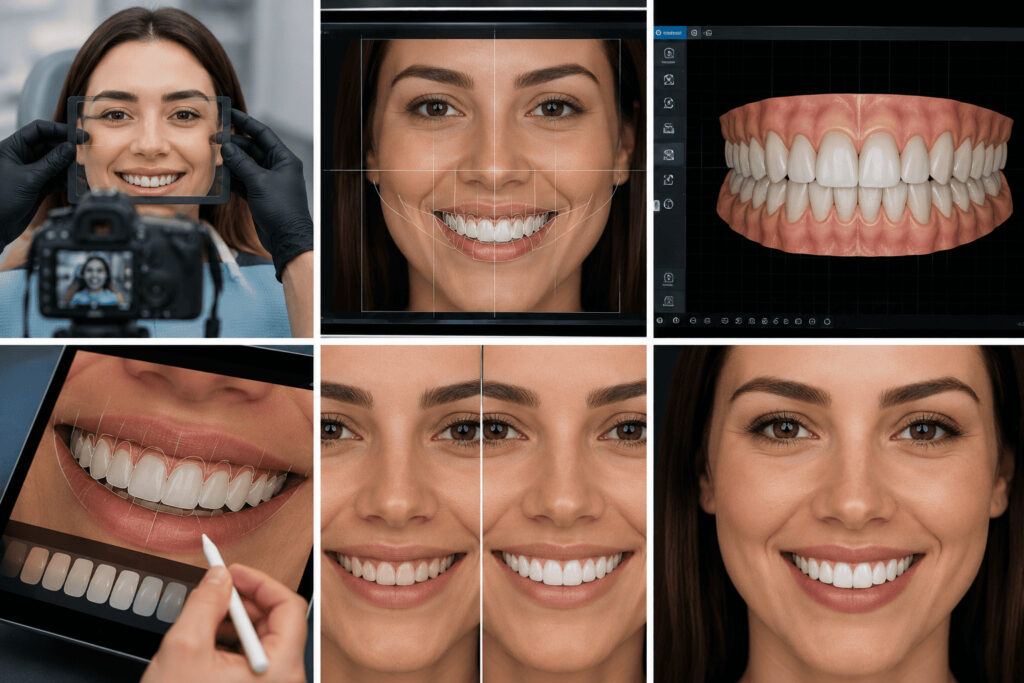
Custom Smile Designing

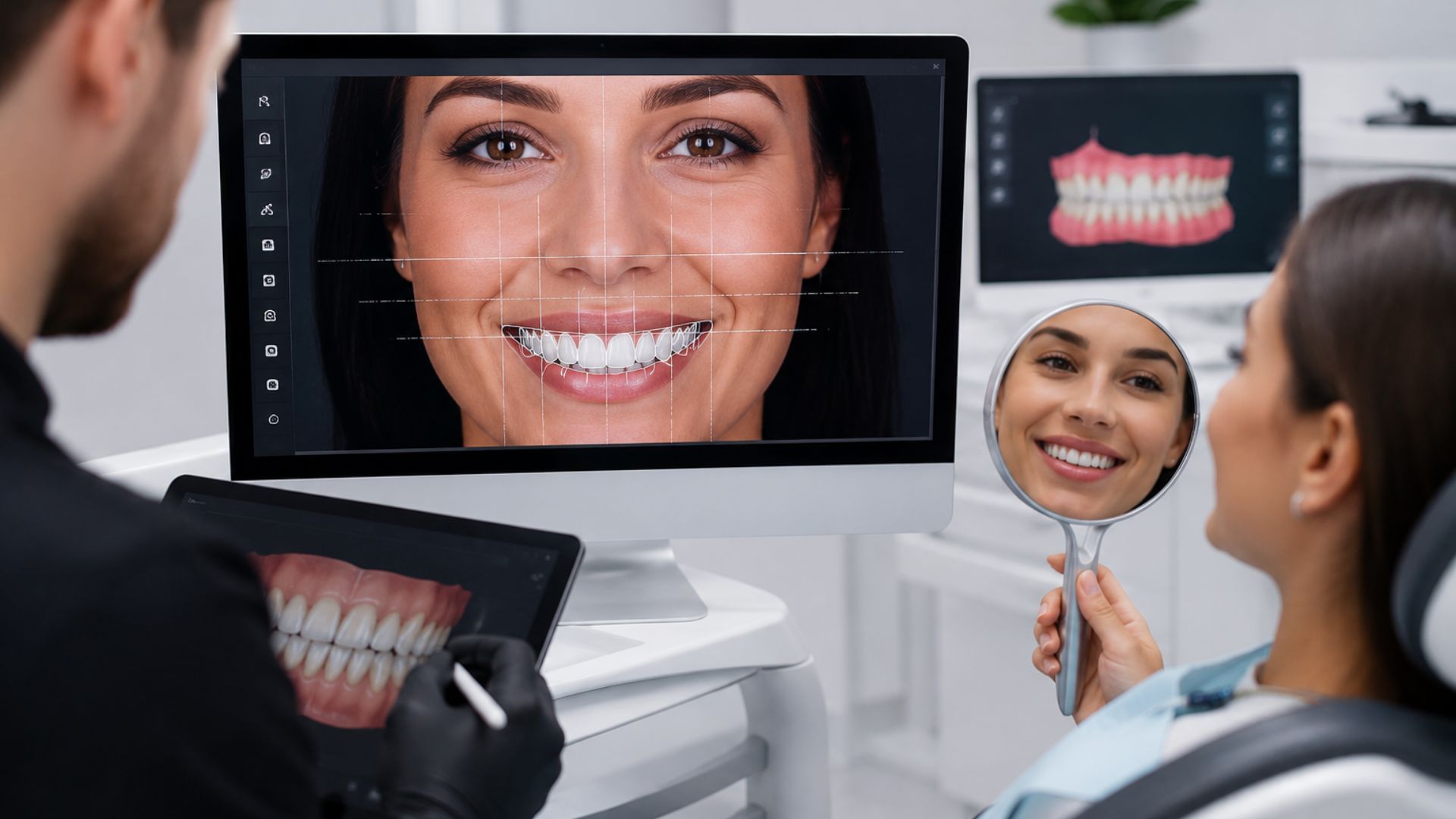
Using cosmetic digital smile designing, we create a virtual preview of your new smile. This ensures your veneers match your facial structure, personality, and aesthetic preferences perfectly.

Improves Function as Well as Aesthetics

Veneers can strengthen weak teeth surfaces, improving bite and function while enhancing beauty.

Common Myths About Veneers – Debunked!

Myth 1: Veneers Look Fake

High-quality porcelain veneers look incredibly natural when designed by an experienced dentist. At AK Dental, each veneer is customized for color, thickness, and shape.

Myth 2: Veneers Damage Natural Teeth

Modern veneer techniques require minimal removal of enamel. When done by a skilled dentist in Vile Parle, veneers are safe and protective for your natural teeth.

Myth 3: Veneers Are Only for Celebrities

While many celebrities do use veneers, they are accessible and popular among everyday patients seeking a confident smile.

Myth 4: Veneers Require High Maintenance

Veneers require the same care as natural teeth: brushing, flossing, and regular checkups. They do not need special cleaning tools.

Myth 5: Veneers Work Only for Aesthetics

Veneers also strengthen worn or damaged enamel and protect teeth from further wear.

Why Choose AK Dental Clinic for Veneers?

AK Dental Clinic is one of the top choices for cosmetic dentistry in Mumbai. Here’s why:

✔ Expertise in Cosmetic Aesthetic Dentistry

Our specialists have years of experience designing natural, beautiful smiles for patients across Mumbai.

✔ Advanced Digital Smile Designing

We use high-precision digital tools to plan your dream smile with accuracy and predictability.

✔ Custom Veneers Tailored to You

Shape, shade, and size are personalized to enhance your facial aesthetics.

✔ Complete Dental Support

Whether you need veneers, whitening, implants, or restorations, we offer comprehensive care under one roof. Our clinic is also recognized as a trusted Dental Implants Clinic in Mumbai.

✔ Comfortable & Modern Environment

From consultation to final placement, your comfort and satisfaction are our top priority.

Final Thoughts

Veneers are a powerful, transformative cosmetic treatment that can give you the smile you’ve always dreamed of. Whether you’re struggling with discoloration, uneven teeth, gaps, or worn enamel, veneers offer a natural-looking, long-lasting solution.

If you’re searching for a dentist in Vile Parle, exploring teeth whitening clinics, or considering advanced cosmetic digital smile designing, AK Dental Clinic ensures exceptional results with personalized care.

Tooth Sensitivity vs. Cavity Pain How to Tell the Difference

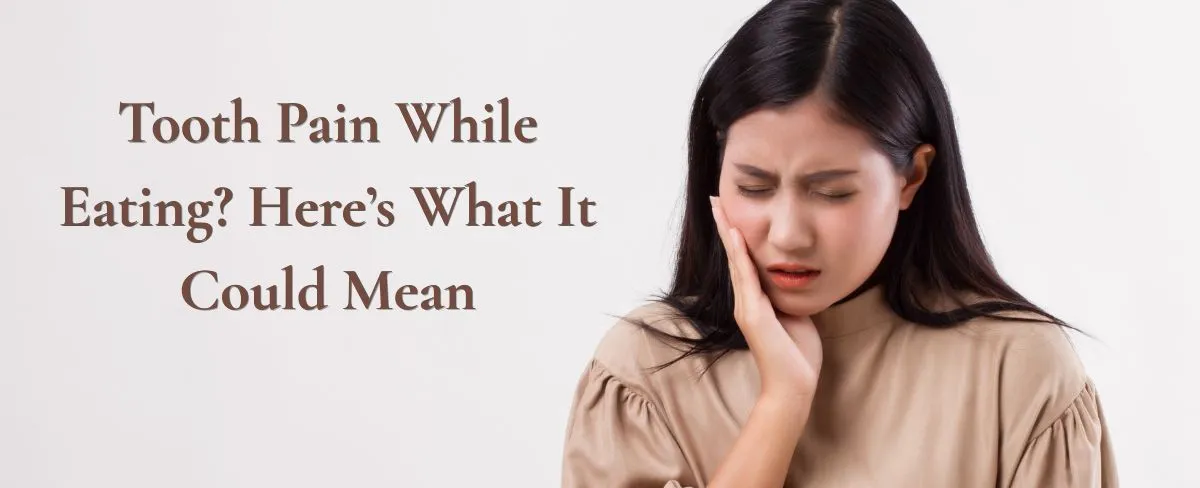
Tooth pain can be frustrating and disruptive, especially when you’re unsure of the cause. Often, patients confuse tooth sensitivity with cavity pain, leading to delays in seeking proper dental care. At AK Dental Clinic in Vile Parle, our team ensures every patient understands the root cause of their discomfort and gets the most accurate diagnosis and treatment.

If you’re wondering whether that sharp zing in your tooth is a minor issue or the beginning of something serious, this guide will help you understand the differences between tooth sensitivity and cavities-plus when to seek professional help from the best dentist in Vile Parle.

What Is Tooth Sensitivity?

Tooth sensitivity, also known as dentin hypersensitivity, is a sharp, temporary pain in one or more teeth when exposed to certain triggers like:

  • Hot or cold drinks
  • Sweet or sour foods
  • Cold air
  • Brushing or flossing

This discomfort typically lasts a few seconds and is due to enamel erosion or gum recession. Both can expose the dentin layer of your tooth, which contains tiny tubes that connect to nerve endings. When stimulated, these nerves send pain signals to your brain.

Common Causes of Tooth Sensitivity:

  • Aggressive brushing
  • Grinding or clenching teeth
  • Acidic foods
  • Teeth whitening products
  • Gum disease
  • Worn-out dental fillings

Thankfully, sensitivity can often be managed with desensitizing toothpaste, fluoride treatments, or lifestyle changes – especially when diagnosed early at a trusted dental clinic in Vile Parle like AK Dental.

What Is Cavity Pain?

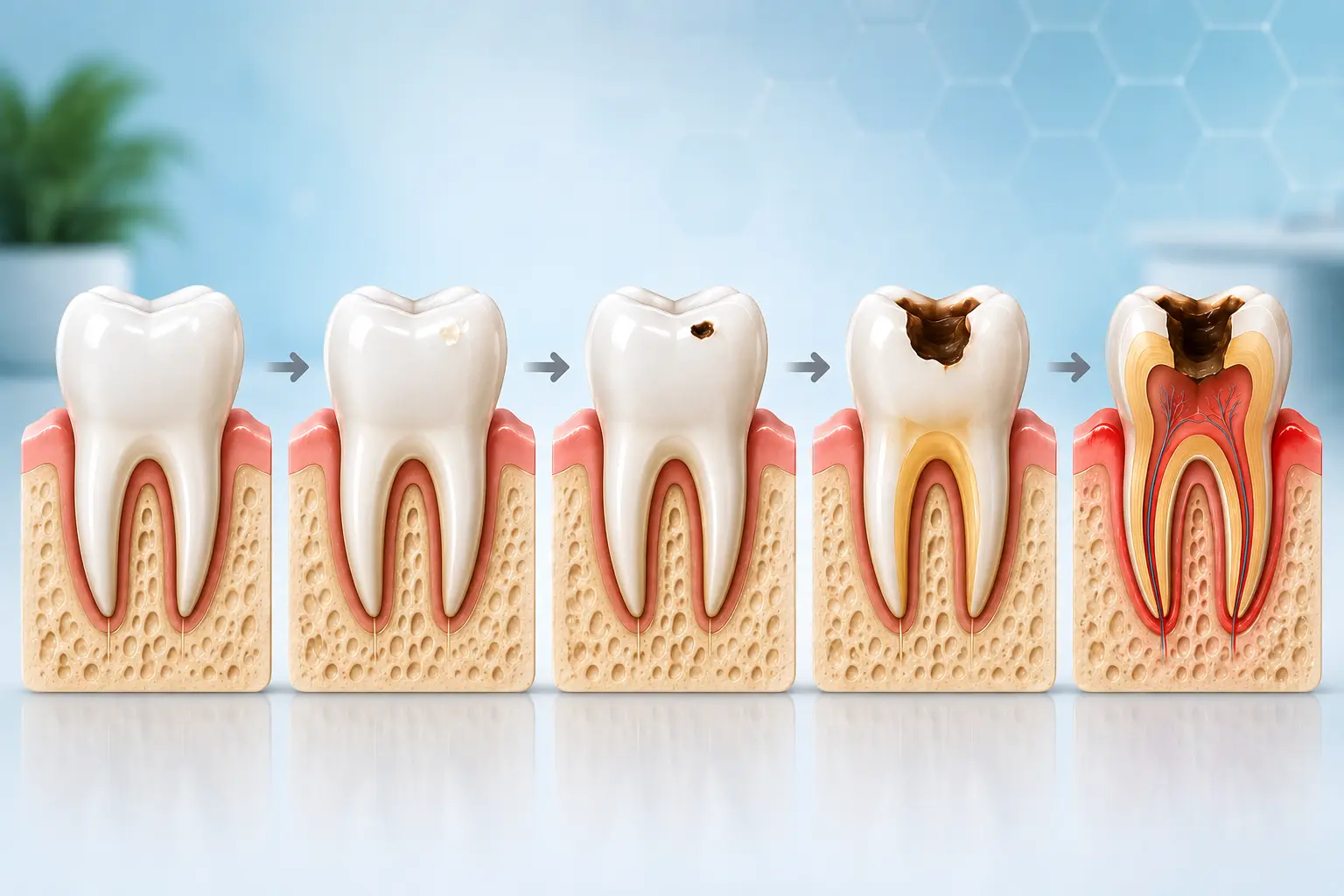
Cavities (also called tooth decay or caries) occur when harmful bacteria in your mouth produce acid that eats away at the tooth enamel, creating holes or damage in the tooth structure. When cavities deepen, they reach the dentin or even the pulp, causing persistent, sharp pain.

Signs of Cavity Pain Include:

  • Continuous dull ache or throbbing
  • Pain when chewing or biting
  • Sensitivity to sweet foods
  • Visible holes or brown spots
  • Bad breath or bad taste in mouth

Unlike sensitivity, cavity pain doesn’t go away on its own. If left untreated, it can worsen and lead to infection, abscesses, or tooth loss – requiring advanced procedures like single visit root canal treatment or dental implants.

Sensitivity vs. Cavity: Spot the Difference

Feature

Tooth Sensitivity

Cavity Pain

Type of Pain

Sharp and sudden

Persistent, dull or sharp

Trigger

Temperature, sweets, brushing

Chewing, sweets, spontaneous

Duration

A few seconds

Minutes to hours

Appearance

No visible signs

Holes, black/brown spots

Response to Pressure

Usually painless

Painful when biting or chewing

Treatment

Often reversible

Requires filling or root canal

If your pain is persistent and localized, it’s more likely a cavity than sensitivity. Only a best implant dentist in Mumbai or an experienced general dentist can confirm the diagnosis through an oral exam and X-rays.

When to See a Dentist in Vile Parle

Ignoring the pain, even if it feels minor, can lead to more complex issues. It’s time to book your appointment if:

  • Pain lingers beyond a few seconds
  • You notice visible damage or discoloration
  • You’re experiencing difficulty chewing
  • OTC sensitivity toothpaste doesn’t help
  • You’re overdue for a dental check-up

At AK Dental Clinic, we offer complete diagnostic services including digital X-rays and painless evaluations to determine whether you’re suffering from tooth sensitivity, decay, or something else.

Treatment Options at AK Dental Clinic

Depending on your condition, we offer advanced, patient-friendly solutions:

For Sensitivity:

  • Desensitizing agents and varnishes
  • Fluoride gel therapy
  • Dental bonding for exposed dentin
  • Gum grafting (if caused by gum recession)

For Cavities:

  • Tooth-colored fillings
  • Inlays and onlays
  • One sitting root canal for infected teeth
  • Dental implant cap and crown replacements

With the expertise of the best implant dentist in Mumbai, we ensure every procedure is handled with precision, comfort, and long-term oral health in mind.

Why Choose AK Dental Clinic in Vile Parle?

  • Highly rated dental clinic in Vile Parle
  • Pain-free single visit root canal treatment
  • Specialist in cosmetic, implant, and restorative dentistry
  • In-house diagnostics & imaging
  • Friendly, transparent, and ethical care

Whether it’s sensitivity or decay, we aim to preserve your natural tooth wherever possible – and replace it with excellence when needed.

Conclusion: Don’t Guess, Get a Dental Check

While both tooth sensitivity and cavity pain can feel similar at first, their causes and treatments are vastly different. Instead of self-diagnosing, trust the expert team at AK Dental to accurately determine the issue and offer tailored care.

Don’t ignore the signs. Book your check-up today with the best dentist in Vile Parle and enjoy pain-free, long-lasting dental health.

Wisdom Tooth Extraction

For many adults, the eruption of wisdom teeth (third molars) can bring more pain than wisdom. Whether they’re impacted, partially erupted, or growing at the wrong angle, wisdom teeth often need professional attention to prevent infection, decay, or crowding.

At AK Dental Clinic, our dentists perform safe, painless extractions using advanced technology and compassionate care. Here’s a step‑by‑step look at what to expect before, during, and after wisdom‑tooth extraction.

Before Surgery: Pre‑Extraction Preparation

1. Consultation & X‑Rays

Your journey begins with a detailed evaluation. Our dental clinic in Vile Parle uses 3D X‑rays to assess tooth position, root shape, and bone health. This helps plan whether a simple or surgical extraction is needed.

2. Discussing Medical History

Be open about any medical conditions, medications, or allergies. This ensures we select the safest anesthesia option for you.

3. Pre‑Surgery Instructions

  • Eat a light meal before your appointment (unless under sedation).
  • Arrange for someone to accompany you if sedation is used.
  • Avoid alcohol, smoking, or caffeine 24 hours before the procedure.

AK Dental’s team ensures that every patient understands the process, eliminating fear and uncertainty from the start.

During Surgery: What  Actually Happens

1. Local Anesthesia or Sedation

The dentist will numb the area completely. For anxious patients, painless anesthesia or mild sedation may be recommended.

2. Tooth Removal

Depending on the tooth’s position:

  • A simple extraction is done if the tooth is visible.
  • A surgical extraction may require a small incision if the tooth is impacted.

Our best dentists in Vile Parle use precision instruments and gentle techniques to ensure minimal trauma and faster recovery.

3. Duration of Procedure

Most wisdom‑tooth extractions take 20–45 minutes. Complex cases may take longer, especially if multiple teeth are removed at once.

4. Suturing & Gauze Placement

After removal, the site is cleaned and stitched if necessary. A sterile gauze pad is placed to control bleeding.

AK Dental’s use of modern surgical tools and sterile procedures guarantees both safety and comfort throughout.

After Surgery: Recovery & Care

1. First 24 Hours - Immediate Care

  • Bite gently on the gauze pad to control bleeding.
  • Apply an ice pack in 15‑minute intervals to reduce swelling.
  • Stick to cold or soft foods (smoothies, yogurt, mashed potatoes).
  • Avoid spitting, rinsing, or drinking through a straw.

2. Days 2-3 - Healing Begins

Swelling and discomfort typically peak around day 2, then subside. You can rinse gently with warm salt water after 24 hours to keep the area clean.

If pain persists or worsens, our dentists in Vile Parle West are available for immediate check‑ups and pain‑relief options.

3. Week 1 - Back to Normal

Most patients can resume regular eating and work routines within a week. Follow‑up visits ensure proper healing and no infection.

If a neighboring tooth was affected, additional care like a single‑sitting root‑canal treatment in Juhu might be suggested to save it.

Possible Complications  (And Why They’re Rare Here)

With skilled hands and sterile practices, complications are rare, but awareness helps:

  • Dry Socket: Caused by dislodged blood clots. Avoid smoking and vigorous rinsing.
  • Infection: Minimized through antibiotics and good hygiene.
  • Jaw Stiffness: Temporary; relieved with warm compresses and stretching exercises.

AK Dental’s continuous post‑treatment follow‑ups ensure early detection and quick resolution of any issues.

Why Choose AK Dental Clinic for Wisdom Tooth Extraction

  • Expert Oral Surgeons with years of experience in complex extractions
  • Comfort-First Approach - Sedation and painless anesthesia options
  • State‑of‑the‑Art Facilities with digital X‑rays and infection‑control protocols
  • Trusted by Locals & NRIs - Serving Vile Parle, Juhu, and beyond
  • Comprehensive Care - From root‑canal therapy to dental implants

If a wisdom‑tooth extraction leads to a gap that needs restoration, our specialists provide the best dental implants in Mumbai, offering lasting functionality and aesthetics.

Final Thoughts

Wisdom‑tooth extraction is a routine, safe procedure when handled by experts. With AK Dental’s precision techniques, personalized guidance, and caring environment, patients experience smooth recovery and long‑term relief.

Whether you’re looking for a dentist in Vile Parle West, Juhu, or a trusted dental clinic in Vile Parle, we’re here to help you maintain lifelong oral health – with comfort and confidence.

Book Your Consultation Today

Say goodbye to pain and swelling – schedule your appointment at AK Dental Clinic, where gentle dentistry meets cutting‑edge care.

📞 Call or visit www.akdentalclinic.co.in to book your consultation today.

Our Locations

Scroll to Top